

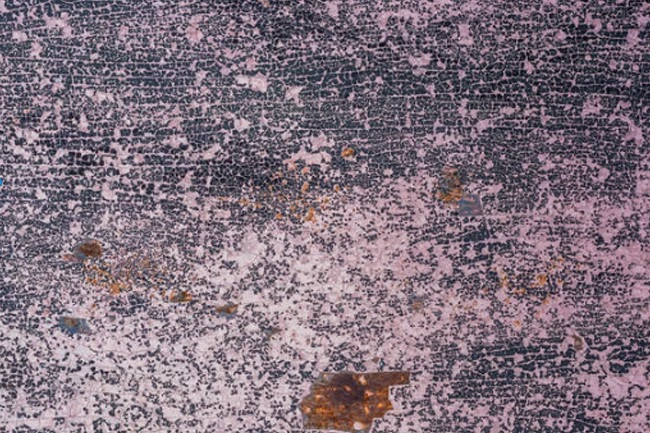
Pitting corrosion and intergranular corrosion are prevalent localized corrosion types in metallic materials, characterized by their strong concealment and destructive nature, which critically impact equipment safety and service life. In our previous article " In-depth Analysis: Causes and Mechanisms of Pitting and Intergranular Corrosion", we systematically elucidated their formation mechanisms. This paper further focuses on detection and evaluation methods for these corrosion types, providing technical support for corrosion identification and condition assessment in practical engineering applications.
I. Analysis of Influencing Factors
1. Main factors affecting pitting corrosion
-Material properties: alloy composition, surface condition and crystal structure defects directly affect the pitting corrosion sensitivity of the material.
-Environmental factors: corrosive media such as chloride ions, acidic or neutral pH environments, and high-temperature conditions can significantly accelerate pitting corrosion.
-Electrochemical conditions: When the electrode potential exceeds the breakdown potential, the passive film fails, leading to pitting corrosion.
-External stress: Stress concentration areas (e.g., scratches, assembly points) are more prone to initiate pitting corrosion.
2. Main factors affecting intergranular corrosion
-Material composition: the composition segregation at grain boundary, carbide precipitation and sensitization treatment are the key factors leading to intergranular corrosion sensitivity.
-Environment and structure: high temperature, chlorine-containing medium, oxidizing atmosphere, grain size and microstructure all affect the intergranular corrosion behavior.
-Mechanical factors: Residual stress and lattice distortion caused by cold working will also aggravate the tendency of intergranular corrosion.
II. Detection and Evaluation Methods
1. Common Detection Methods of Pitting Corrosion
-Macro and micro observation: including visual inspection, optical microscopy, and scanning electron microscopy (SEM) analysis to identify corrosion morphology and distribution.
-Electrochemical testing: Methods such as dynamic potential polarization and electrochemical impedance spectroscopy (EIS) can be used to evaluate the pitting corrosion resistance of materials.
-Non-destructive testing: Ultrasonic testing, X-ray, and eddy current testing are suitable for on-site and non-destructive screening.
-Chemical demonstration and reproducibility tests: enhance corrosion visibility with specific demonstrators or reproduce corrosion processes through simulation experiments.
2. Effective Evaluation Method of Intergranular Corrosion
-Metallographic and electron microscopy analysis: Metallographic microscopes, SEM, and TEM can be used to observe the morphology and compositional changes of grain boundary corrosion.
-Electrochemical methods: Polarization testing and impedance analysis can determine the intergranular corrosion sensitivity of materials.
-Non-destructive and chemical testing: X-ray diffraction, ultrasonic testing, and chemical immersion tests help evaluate corrosion status under actual operating conditions.
-Reproduction experiment: Accelerated corrosion test in simulated environment to systematically study the corrosion development law.
3. Testing Support Capability of GRGTEST
To address the challenges in detecting pitting and intergranular corrosion, Guangdian Metrology provides a range of professional chemical material analysis and corrosion testing services:
-Equipped with advanced metallographic, electron microscopy, and electrochemical testing platforms, enabling precise determination of corrosion types and severity;
-Equipped with multiple non-destructive testing methods, supporting corrosion assessment in both field and laboratory environments;
-Conduct corrosion simulation and accelerated testing to replicate real-world conditions, providing reliable data for material selection and process optimization.
Accurate identification and assessment form the cornerstone of effective corrosion control. Only by precisely determining the type and severity of corrosion can targeted protective measures be formulated. Stay tuned for the third installment in this series: "Comprehensive Protection: Prevention and Control Strategies for Pitting and Intergranular Corrosion", where we will explore systematic approaches to address these two prevalent corrosion types.