

Pitting corrosion and intergranular corrosion are the common local corrosion forms of metal materials, which have the characteristics of strong concealment and great destruction, and seriously affect the structural safety and equipment life.
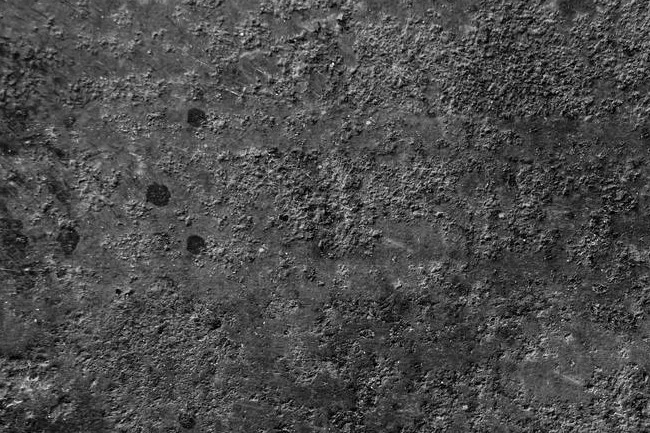
Overview of pitting corrosion
Definition: Pitting corrosion, also known as pitting, is a localized corrosion process that forms small, deep pits in tiny areas of a metal surface. It commonly occurs in passivated metals such as stainless steel and aluminum alloys.
Features:
-Highly concealed and difficult to detect in the early stages;
-Rapid development, which can easily lead to material perforation;
-It often occurs in corrosive media such as chloride ions;
-The corrosion hole is easy to become the stress concentration point and induce fatigue crack.
Overview of intergranular corrosion
Intergranular corrosion is a localized corrosion along the grain boundary of metal, which often occurs in the welding heat affected zone or high temperature environment.
Features:
-preferential corrosion at grain boundaries, leading to a significant decline in the material's mechanical properties;
-More likely to occur in high temperatures;
-The corrosion area shows a "worm-eaten" feature under the microscope;
-It is difficult to detect through appearance inspection, and microscopic analysis is needed.
The formation mechanism of pitting corrosion
1. Passivation film rupture: Chloride ions and other corrosive ions damage the metal surface passivation film, creating localized exposed areas.
2. Microcell formation: The exposed area acts as the anode, while the surrounding passivated region serves as the cathode, resulting in galvanic corrosion.
3. Self-catalytic process: Metal ions accumulate in the pores, increasing acidity and accelerating corrosion.
4. Re-passivation difficulty: The pore's geometry and chemical environment hinder the protective film's reformation.
THE FORMATION MECHANISM OF INTERGRANULAR CORROSION
1. Grain boundary characteristics: At grain boundaries, atoms are disordered with high energy, making them prone to corrosion.
2. Mineralization phenomenon: Welding or heat treatment causes carbide precipitation at grain boundaries, forming chromium-deficient zones.
3. Microcell mechanism: The electrolyte phase and the matrix form a potential difference, with the grain boundary serving as the anode and being preferentially dissolved.
4. Environmental and temporal effects: High temperatures and prolonged exposure accelerate grain boundary corrosion.
GRGTEST's technical support capabilities
-Provides multiple corrosion simulation tests to accurately replicate both pitting and intergranular corrosion environments;
-Equipped with advanced chemical analysis and microscopic detection systems, capable of pinpointing corrosion origins and analyzing underlying mechanisms;
-Assist enterprises in material selection and process optimization to enhance corrosion resistance at the source.
Understanding corrosion mechanisms is fundamental to effective protection, while scientific detection and precise evaluation are key to developing sound anti-corrosion strategies. Stay tuned for the second installment in this series: "Accurate Identification: Detection and Evaluation Method of Pitting and Intergranular Corrosion", to master the core technologies of corrosion control.