


A Guide to Key RTCA/DO-160 Testing
RTCA/DO-160, "Environmental Conditions and Test Procedures for Airborne Equipment," is the internationally recognized core standard for testing aerospace electronic hardware, serving as a mandatory "safety gateway" for market entry.
one-stop solution
professional team
high quality
The Critical Value of Testing
DO-160 testing simulates extreme in-flight environmental stresses (e.g., temperature extremes, low pressure, vibration, electromagnetic interference) in laboratory conditions to identify potential product flaws early. This process is crucial not only for ensuring flight safety but also for complying with the requirements of global aviation authorities like the FAA and EASA, making it a compulsory step for market access.
Key Test Categories
The standard encompasses a range of rigorous tests, primarily including:
Temperature, Altitude, and Vibration
Validates equipment performance under extreme cold, heat, low pressure, and sustained vibration.
01
Power Supply Characteristics
Checks tolerance against aircraft electrical grid fluctuations, interruptions, etc.
02
EMC and Lightning Indirect Effects
Ensures equipment operates without disruption in complex electromagnetic environments and can withstand transient high voltage from lightning strikes.
03
Shock and Other Environments
Assesses structural robustness and resistance to moisture, fungus, etc.
04
Who Needs This Testing?
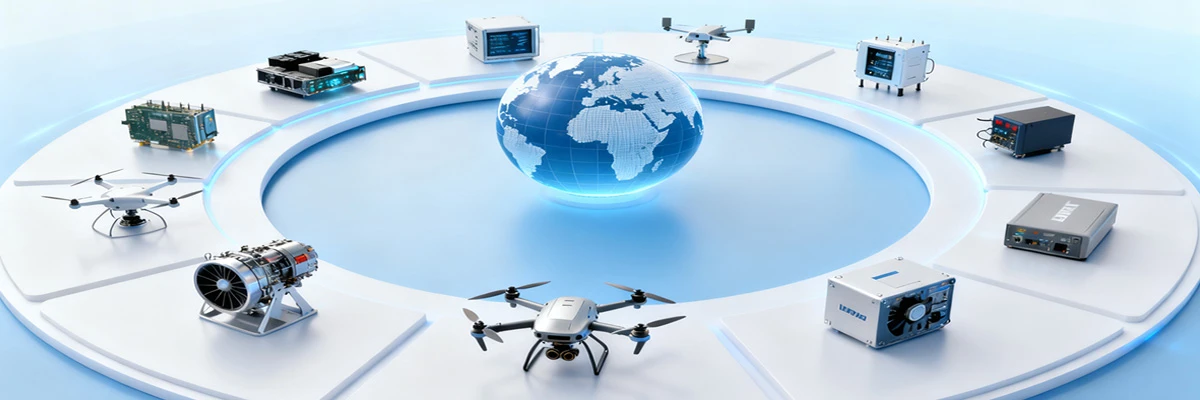
All airborne equipment manufacturers, including those in traditional aviation, defense, and emerging sectors like UAVs/eVTOLs (Electric Vertical Take-Off and Landing), must have their products certified to DO-160 before installation.
GRGTEST's Testing Capabilities
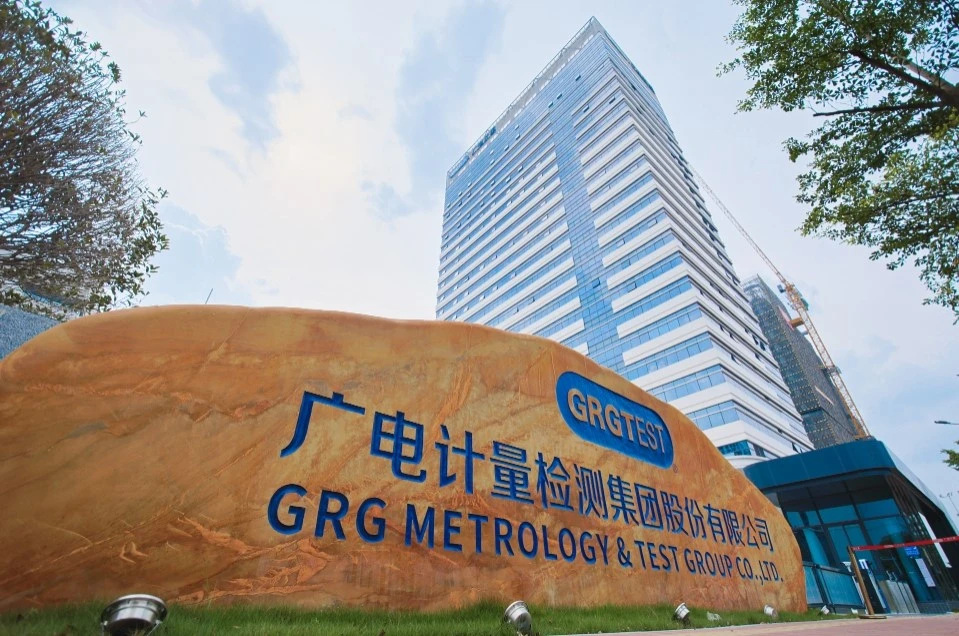
GRGTEST offers comprehensive RTCA/DO-160 testing services, supported by advanced laboratories accredited with CNAS and other qualifications. Its professional team provides end-to-end support, from test plan design to problem-solving and rectification, offering robust compliance support for various aerospace products and empowering the high-quality development of China's aerospace industry.
Accreditation of qualifications
CNAS recognizes 45,053 parameters, CMA recognizes 65,113 parameters, and CATL recognizes 7,922 parameters
Comprehensive technical service capability
One-stop comprehensive technical service capability of measurement and testing + scientific research service + evaluation consultation + design analysis + certification service.
16000+
Labortory cover an area
8000+
Sets of advanced precise standard
289+
Has obtained patents
60+
Banch office