

In today's fast-paced technological landscape, ensuring the durability and consistent performance of electronic devices and components under various environmental conditions is paramount. Environmental reliability testing is a critical step in the product development and quality assurance process, designed to validate that products can withstand the stresses encountered during their lifecycle. This testing not only guarantees customer satisfaction but also helps manufacturers reduce warranty costs and enhance brand reputation.
Common Environmental Reliability Testing Items
Environmental reliability testing encompasses a range of assessments to simulate real-world conditions. The most common testing items include:
1. **Temperature Cycling and Thermal Shock Testing**
These tests evaluate a product's ability to endure rapid temperature fluctuations, which can induce mechanical stress and material fatigue. Temperature cycling involves exposing the device to alternating high and low temperatures for multiple cycles, while thermal shock testing subjects the product to sudden temperature changes.
2. **Humidity and Damp Heat Testing**
High humidity and moisture can accelerate corrosion and degrade materials, especially in electronic circuits. Damp heat testing maintains the product in controlled humidity and temperature conditions, ensuring it can operate reliably in humid environments.
3. **Vibration and Shock Testing**
Products transported or used in dynamic environments must withstand mechanical vibrations and shocks. Vibration testing applies oscillatory motion across various frequencies and amplitudes, while shock testing simulates sudden impacts.
4. **Salt Spray Testing**
For products intended for use in marine or coastal areas, salt spray testing evaluates corrosion resistance under saline mist exposure.
5. **Altitude Testing**
Simulating high-altitude conditions, this test assesses a device's functionality and structural integrity under reduced atmospheric pressure.
6. **Ingress Protection (IP) Testing**
IP testing determines the degree of protection against dust and water ingress, ensuring products meet protection standards for harsh environments.

Standards Guiding Environmental Reliability Testing
Environmental reliability testing follows internationally recognized standards to ensure consistency and accuracy. Some of the key standards include:
- **IEC 60068 Series**: The International Electrotechnical Commission's standards provide comprehensive guidelines for environmental testing of electrotechnical products, covering temperature, humidity, vibration, shock, and more.
- **MIL-STD-810**: A U.S. military standard defining environmental engineering considerations and laboratory tests, widely adopted in commercial sectors for ruggedness testing.
- **ASTM Standards**: The American Society for Testing and Materials offers various standards for salt spray (ASTM B117), vibration (ASTM D4169), and other tests.
- **ISO 16750-4**: Pertaining to road vehicles, this standard specifies environmental conditions and testing procedures for electrical and electronic equipment.
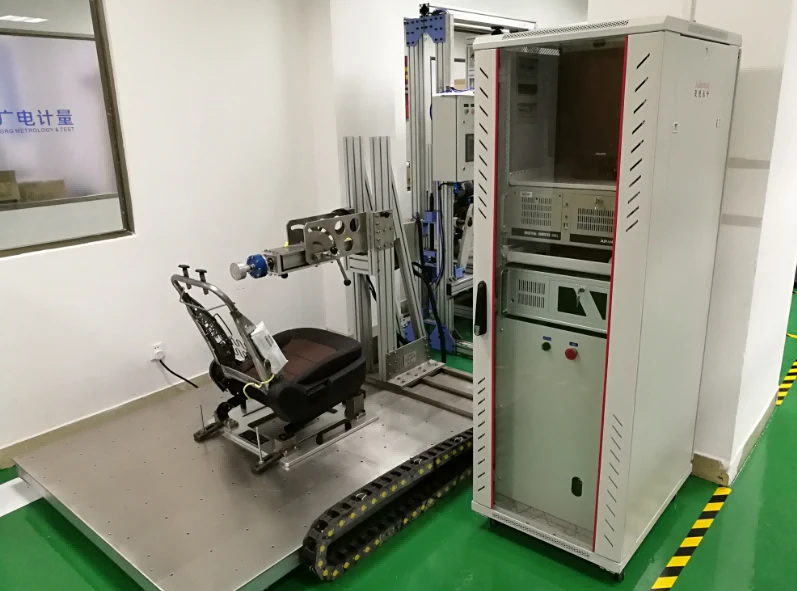
GRGTEST Environmental Reliability Testing Capabilities and Advantages
GRGTEST stands out as a leader in environmental reliability testing with a comprehensive suite of advanced testing facilities and expert technical teams. Their capabilities cover the full spectrum of environmental tests, including temperature cycling, humidity, vibration, shock, salt spray, and ingress protection.
What sets GRGTEST apart is their commitment to precision and reliability-achieved through state-of-the-art equipment calibrated to international standards and a rigorous quality management system. Their experienced engineers provide insightful analysis and customized testing solutions tailored to each client's specific product requirements.
Clients also benefit from GRGTEST's streamlined testing process, which balances thoroughness with efficiency, accelerating time-to-market without compromising on quality. Their dedication to innovation and service excellence makes them a trusted partner across industries such as consumer electronics, automotive, telecommunications, and aerospace.
Conclusion
Environmental reliability testing is indispensable for delivering products that perform reliably under diverse and demanding conditions. Adhering to rigorous testing standards ensures durability, safety, and customer satisfaction. Leveraging the advanced capabilities and expertise of testing organizations like GRGTEST offers manufacturers a competitive edge through precise validation and insightful guidance.
In an era where quality and reliability define success, investing in comprehensive environmental reliability testing paves the way for stronger products and a brighter future.