

Drone maintenance testing verifies that unmanned aerial vehicle systems meet safety, performance, and environmental adaptability requirements before deployment. As UAVs take on increasingly critical roles, structured testing has become essential for manufacturers and operators alike.
What Is Drone Maintenance Testing
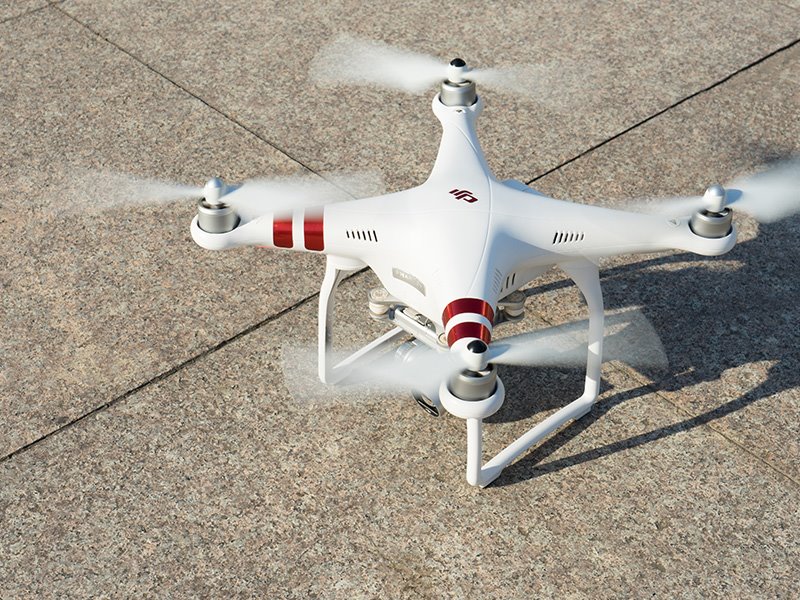
Drone maintenance testing is a comprehensive evaluation process that covers basic inspection, functional testing, performance testing, battery system testing, environmental adaptability testing, and electromagnetic compatibility testing of unmanned aerial vehicle systems. The scope extends to UAV nests and related sensors carried by drones, serving R&D manufacturers across the UAV industry.
This testing goes beyond simple quality checks. It validates whether a drone can withstand real-world operating conditions - from wind resistance and temperature extremes to electromagnetic interference - while maintaining stable flight performance and reliable data links.
Why Drone Maintenance Testing Matters
Third-party testing reports are frequently required by enterprise bidding processes. For manufacturers developing new drone models, structured testing results serve as enterprise standard references. Research institutions in power grids, public security, fire protection, and academic settings also rely on these reports as important reference materials for their projects.
Without proper testing, latent defects in flight control, data transmission, or environmental resilience may only surface during field operation - when failures carry the highest cost and risk.
How the Testing Process Works
The evaluation begins with physical inspections - external dimensions, weight, and self-inspection functions. Performance testing then covers:
1
Takeoff and landing mode verification
2
Maximum level flight speed and climb rate
3
Practical ceiling and flight attitude stability
4
Trajectory control accuracy and effective measurement distance
5
Wind resistance and hovering stability
6
Endurance and task load capacity
7
Autonomous flight and control station functionality
8
Anti-mechanical vibration performance evaluation.
Key Standards and Parameters
Drone maintenance testing at GRGTEST follows standards including GB38058 (the primary package standard), as well as GAT/1411.2-2017, GAT/1411.3-2017, GAT/1411.4-2017, GJB5434, GB/T17262.3-2016, GJB150.8A-2009, GJB150.16A-2009, and GJB5727-2009. Testing cycles typically range from 2 to 10 days after case opening, depending on laboratory scheduling.

About GRGTSET
GRGTEST brings over 50 years of testing service experience and holds CNAS, CMA, and other professional laboratory qualifications. The organization operates more than 20 laboratories and over 50 subsidiary companies across China, with a nationwide technical support system covering metrology, environmental reliability, electromagnetic compatibility, and informatization. Its technical team is composed primarily of postdoctoral and doctoral experts, supporting both government and civilian-sector UAV testing needs.