

Okay, here's the English blog:
Hey there! As a supplier of component failure analysis services, I often get asked about the standards and regulations in this field. It's a crucial topic because understanding these rules helps us ensure accurate, reliable, and compliant failure analysis. So, let's dive right in and explore what these standards and regulations are all about.
Why Standards and Regulations Matter
First off, why do we even need standards and regulations for component failure analysis? Well, think about it. When a component fails, whether it's in a consumer electronic device, an industrial machine, or an aerospace system, the consequences can be pretty serious. There could be financial losses, safety risks, and damage to a company's reputation.
Standards and regulations provide a common framework for conducting failure analysis. They ensure that everyone in the industry follows the same best practices, which means the results are more consistent and trustworthy. This is especially important when the analysis findings are used to make decisions about product design improvements, quality control, or legal liability.
Industry - Wide Standards
There are several well - known standards that play a big role in component failure analysis. One of the most important ones is the ISO (International Organization for Standardization) series of standards. ISO 9001, for example, is all about quality management systems. While it's not specifically focused on failure analysis, having a quality management system in place is essential for conducting reliable failure investigations.
Another key standard is ASTM (American Society for Testing and Materials) standards. ASTM has developed a wide range of test methods and procedures that are used in component failure analysis. For instance, ASTM E23 is a standard test method for notched bar impact testing of metallic materials. This test can help us understand how a metal component might fail under impact loading, which is useful in many industries, such as automotive and aerospace.
Specific Standards for Different Component Types
When it comes to different types of components, there are specific standards that apply. Let's take electronic components as an example. The JEDEC (Joint Electron Device Engineering Council) standards are widely used in the semiconductor and electronics industry. These standards cover everything from the physical dimensions of electronic packages to the electrical performance and reliability of components.
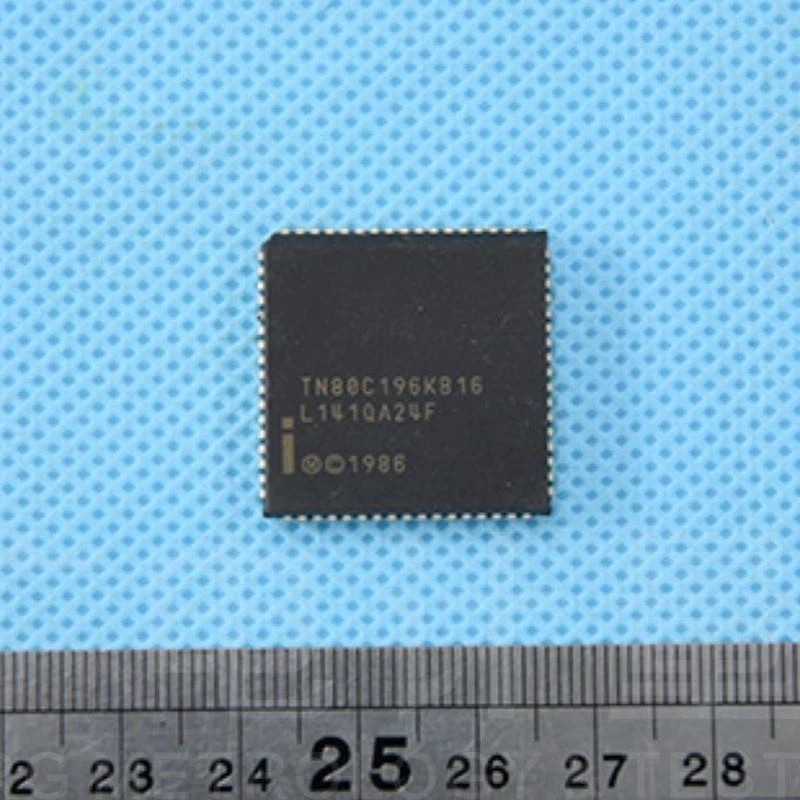

For power modules, the IEC (International Electrotechnical Commission) standards are very important. IEC 60747 is a series of standards that deal with semiconductor devices, including power modules. These standards help us understand how power modules should be tested, how they should perform under different conditions, and what the failure mechanisms might be.
Regulations in Different Regions
Regulations can vary from one region to another. In the United States, the FDA (Food and Drug Administration) has regulations that apply to components used in medical devices. If a component in a medical device fails, the failure analysis must be conducted in accordance with FDA regulations to ensure the safety and effectiveness of the device.
In Europe, the CE (Conformité Européene) marking is a requirement for many products. Components used in these products must meet certain safety, health, and environmental protection requirements. Failure analysis in this context is often used to ensure compliance with these regulations.
Our Role as a Component Failure Analysis Supplier
As a component failure analysis supplier, we need to stay up - to - date with all these standards and regulations. We use them as a guide when conducting our analyses. For example, when we're doing a Screening of Electronic Components, we follow the relevant JEDEC and ASTM standards to make sure our screening process is accurate and reliable.
We also offer IGBT and Semiconductor Testing services. In this case, we adhere to the IEC and JEDEC standards to understand the performance and failure mechanisms of these components. And for Power Module Aging and Test Verification, we use the IEC standards to simulate real - world conditions and predict how power modules will perform over time.
Challenges in Meeting Standards and Regulations
Meeting these standards and regulations isn't always a walk in the park. One of the biggest challenges is keeping up with the constant changes. Standards are updated regularly to reflect new technologies and industry best practices. We need to invest time and resources in training our staff to ensure they're aware of these changes and can apply them correctly in our failure analysis work.
Another challenge is dealing with the complexity of some standards. Some regulations have very detailed requirements, and it can be difficult to interpret them correctly. We often need to consult with experts and participate in industry forums to get a better understanding of these standards.
The Future of Standards and Regulations in Component Failure Analysis
The future of standards and regulations in component failure analysis is likely to be influenced by several trends. One of these trends is the increasing use of artificial intelligence and machine learning in failure analysis. As these technologies become more widespread, we may see new standards and regulations emerging to ensure their proper use and the reliability of the results they produce.
Another trend is the growing importance of environmental and sustainability considerations. Components are now being designed and used with a greater focus on reducing their environmental impact. This means that failure analysis may need to take into account factors such as recyclability and energy efficiency in addition to traditional performance and safety criteria.
Conclusion
In conclusion, standards and regulations are the backbone of component failure analysis. They provide the structure and guidelines that ensure the accuracy and reliability of our work. As a component failure analysis supplier, we take these standards and regulations very seriously and strive to meet them in every project we undertake.
If you're in need of component failure analysis services, whether it's for electronic components, power modules, or any other type of component, don't hesitate to reach out. We're here to help you understand why your components are failing, and how you can prevent future failures. Let's work together to ensure the quality and reliability of your products.
References
- ISO 9001:2015 Quality management systems — Requirements
- ASTM E23 - 18 Standard Test Methods for Notched Bar Impact Testing of Metallic Materials
- JEDEC Standards, various documents related to semiconductor and electronic components
- IEC 60747 series of standards for semiconductor devices
- FDA regulations related to medical device components
- CE marking regulations in Europe