

Hey there! I'm part of a component failure analysis supplier team, and I'm super stoked to chat with you about the legal requirements for component failure analysis. It's a topic that's not only crucial for ensuring safety and quality but also for keeping businesses on the right side of the law.
Let's kick things off by understanding why component failure analysis is so important. In today's high - tech world, components are everywhere, from the smartphones in our pockets to the complex machinery in factories. When a component fails, it can lead to all sorts of problems, like product malfunctions, safety hazards, and even legal liabilities. That's where our component failure analysis services come in. We dig deep to figure out what went wrong, why it happened, and how to prevent it from happening again.
Now, onto the legal requirements. One of the first things we need to consider is data privacy. When we conduct a component failure analysis, we often deal with a ton of data. This can include information about the component itself, like its design specifications and manufacturing process, as well as data from the end - user, such as how the component was used. We're bound by strict data privacy laws, like the General Data Protection Regulation (GDPR) in Europe. This means we have to make sure that all the data we collect, store, and process is done so in a way that respects the privacy rights of individuals. We can't just go around sharing sensitive information willy - nilly.
Another big legal aspect is intellectual property rights. Components are often the result of years of research and development, and they may be protected by patents, trademarks, or copyrights. When we're analyzing a failed component, we need to be extra careful not to infringe on these intellectual property rights. For example, if we're looking at a component with a unique design or a proprietary manufacturing process, we can't use that information for our own gain or share it with unauthorized parties.
Product liability laws also play a huge role in component failure analysis. If a component failure causes harm to a person or damage to property, the manufacturer, distributor, or even the supplier could be held liable. As a component failure analysis supplier, we need to provide accurate and reliable reports that can be used in legal proceedings if necessary. Our reports need to clearly state the cause of the failure, whether it was due to a design flaw, a manufacturing defect, or improper use. This is where our expertise really comes in handy. We use a variety of advanced techniques and tools to conduct thorough investigations, and we document every step of the process.
Industry standards and regulations are another set of legal requirements that we have to follow. Different industries have their own specific standards for component quality and safety. For example, the automotive industry has strict regulations regarding the safety of components used in vehicles. The aerospace industry is even more stringent, with components having to meet extremely high - level standards to ensure the safety of flights. When we're analyzing components from these industries, we need to make sure that our analysis methods and findings are in line with these industry - specific standards.
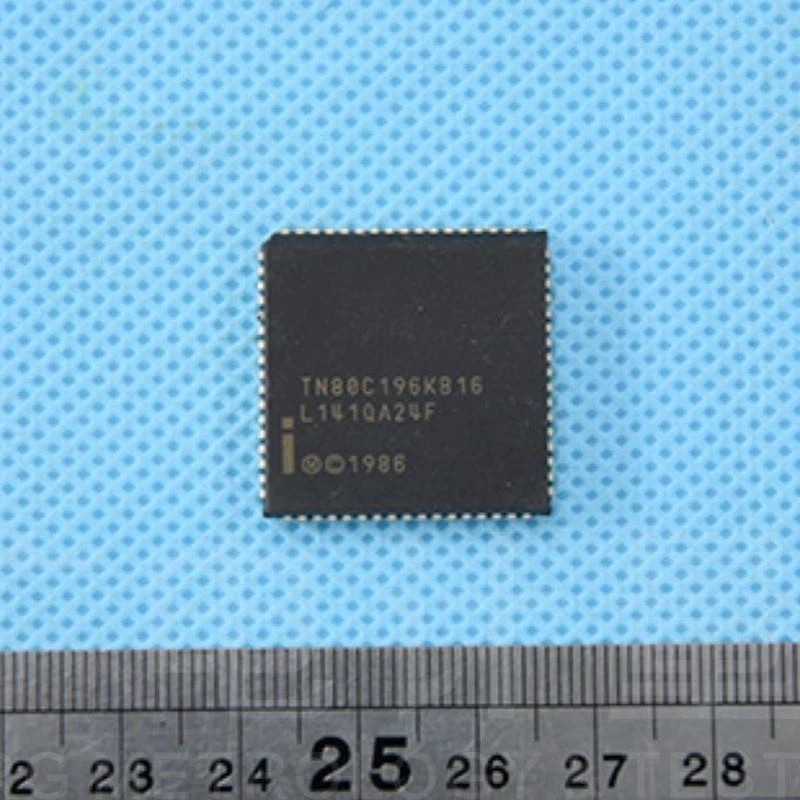
Let's talk about some of the services we offer in the context of these legal requirements. First up, Screening of Electronic Components. This service helps us identify potential issues with electronic components before they cause problems. By screening components, we can catch things like manufacturing defects or early signs of wear and tear. This not only helps prevent component failures but also provides valuable information that can be used to meet legal requirements. For example, if we find a defect during screening, the manufacturer can take corrective action, which can reduce their liability in case of a future failure.
Another service we offer is LED Failure Analysis. LEDs are widely used in a variety of applications, from lighting to displays. When an LED fails, it can be due to a number of reasons, such as overheating, electrical stress, or poor manufacturing. Our LED failure analysis helps us determine the root cause of the failure. This is important from a legal perspective because if an LED failure causes a safety hazard, like a fire, the manufacturer needs to know why it happened so they can take appropriate measures to prevent it in the future.
We also provide Power Module Aging and Test Verification. Power modules are critical components in many electrical systems. Over time, they can degrade due to factors like temperature, humidity, and electrical load. Our aging and test verification service helps us understand how power modules age and whether they meet the required performance standards. This information is essential for ensuring compliance with industry regulations and for protecting against product liability claims.
So, if you're in need of component failure analysis services, you can count on us to handle everything in a way that meets all the legal requirements. We've got the experience, the expertise, and the tools to provide you with accurate and reliable analysis. Whether you're a manufacturer looking to improve the quality of your products, a distributor trying to ensure the safety of the components you sell, or a consumer who's had a component failure, we're here to help.

If you're interested in learning more about our services or have a specific component failure analysis need, don't hesitate to reach out. We're always happy to have a chat and see how we can assist you in meeting your legal and quality - assurance goals.
References
- General Data Protection Regulation (GDPR)
- Product liability laws in relevant jurisdictions
- Industry - specific standards and regulations (e.g., automotive, aerospace)