

Can chemical reagent tests be used for detecting toxins in animal feed? That's a question I get asked a lot as a supplier of chemical reagent tests. And let me tell you, it's a topic that's super important, not just for us in the industry but for anyone involved in animal husbandry.
First off, let's talk about why detecting toxins in animal feed is such a big deal. Toxins in animal feed can come from a bunch of sources. One of the most common is molds. Molds can produce mycotoxins, which are seriously harmful to animals. These mycotoxins can cause all sorts of health problems, from reduced growth rates and poor feed conversion to more severe issues like liver and kidney damage, and even death in extreme cases.

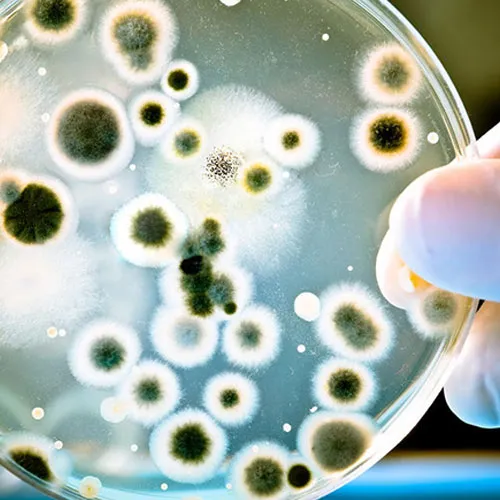
Now, that's where chemical reagent tests come in. Chemical reagent tests are a quick and relatively easy way to check for the presence of toxins in animal feed. They work by reacting with specific substances that are associated with toxins. For example, some tests are designed to detect the presence of certain mycotoxins by changing color when they come into contact with them.
There are a few different types of chemical reagent tests that can be used for this purpose. One type is the immunoassay test. These tests use antibodies to detect the presence of toxins. They're pretty sensitive and can detect even small amounts of toxins in the feed. Another type is the chromatographic test. This involves separating the different components of the feed sample and then analyzing them to see if any toxins are present.
One of the great things about chemical reagent tests is that they're portable. You can take them right out to the farm or the feed storage facility and run the tests on the spot. This means you can get results quickly and take action if necessary. For example, if a test shows that a batch of feed has high levels of toxins, you can decide not to use it for your animals, which can save a lot of trouble and money in the long run.
But like anything, chemical reagent tests aren't perfect. One of the limitations is that they might not detect all types of toxins. There are so many different toxins out there, and new ones are being discovered all the time. So, a test that's designed to detect one type of toxin might not work for another. Also, the accuracy of the tests can be affected by things like the quality of the sample and how it's handled. If the sample isn't collected properly or is contaminated, it can give false results.
Another thing to keep in mind is that while chemical reagent tests can tell you if toxins are present, they don't always tell you how harmful those toxins are. Just because a test shows that a certain toxin is in the feed doesn't mean it's going to cause problems for the animals. The level of toxicity can depend on a lot of factors, like the type of animal, its age, and its overall health.
Despite these limitations, I still think chemical reagent tests are a valuable tool for detecting toxins in animal feed. They're a cost - effective and relatively simple way to get an idea of the safety of the feed. And when used in combination with other methods, like visual inspections and laboratory analysis, they can provide a more comprehensive picture of the feed quality.
If you're interested in learning more about the different types of chemical reagent tests we offer for detecting toxins in animal feed, we've got some great resources on our website. For example, we have information about Mold Testing, which can be a major source of toxins in feed. We also have details about Corrosive Gas Testing and Salt Spray Test, which can be relevant in some cases to ensure the overall quality and safety of the feed storage environment.
If you're thinking about purchasing chemical reagent tests for your animal feed detection needs, I'd love to talk to you. We can discuss which tests are right for your specific situation, based on the types of animals you have, the kind of feed you use, and your budget. Whether you're a small - scale farmer or a large - scale feed producer, we've got solutions that can work for you.
In conclusion, chemical reagent tests can definitely be used for detecting toxins in animal feed. They're not the be - all and end - all, but they're an important part of the overall feed safety toolkit. If you have any questions or want to start a conversation about purchasing our tests, don't hesitate to reach out.
References
- "Animal Feed Safety: A Comprehensive Guide" - Various industry experts
- "Toxin Detection in Agricultural Products" - Journal of Agricultural Science and Technology