

As the adoption of silicon carbide (SiC) power devices continues to rise in sectors such as new energy vehicles, photovoltaic energy storage, and industrial power systems, reliability remains a key concern for the industry. From the initial lack of specific requirements for SiC in the AEC-Q101 E specification in 2021, through the subsequent introduction of internal reliability solutions by leading manufacturers like Infineon and ON Semiconductor, to the 2025 upgrade of AQG-324 standards, the industry's pursuit of enhanced SiC device reliability has never ceased.
In June 2026, JEDEC (Solid State Technology Association) made a groundbreaking move by officially releasing the technical document JEP204, titled "Catalog of Stress Procedures for Silicon Carbide Devices for Power Electronic Conversion." Developed by the JC-70 Wide Bandgap Semiconductor Committee, this document systematically documents all required stress tests for SiC transistors and diodes, providing a clear reliability verification roadmap for the entire industry chain.
What does JEP204 cover?
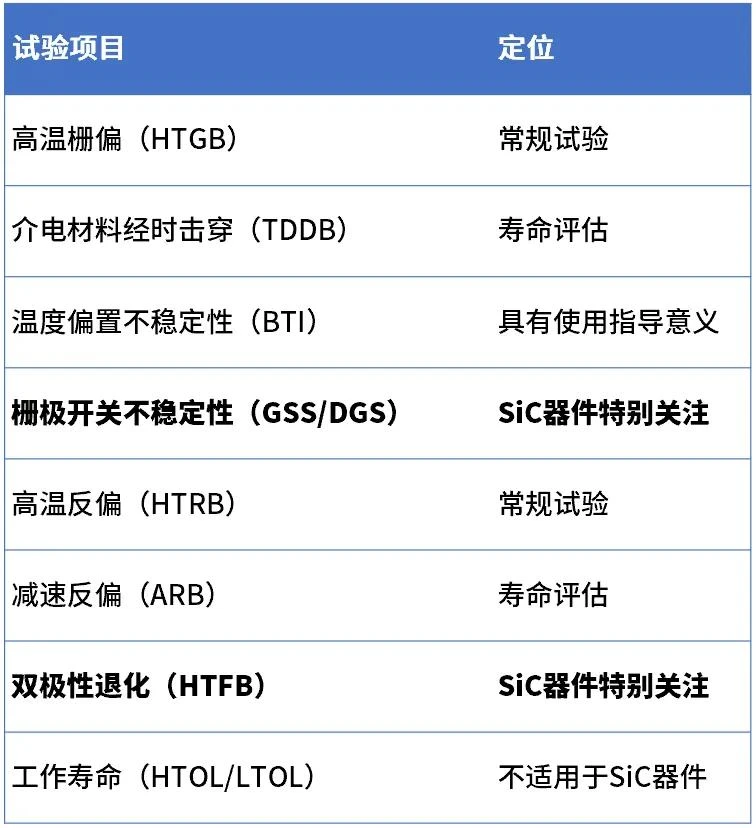
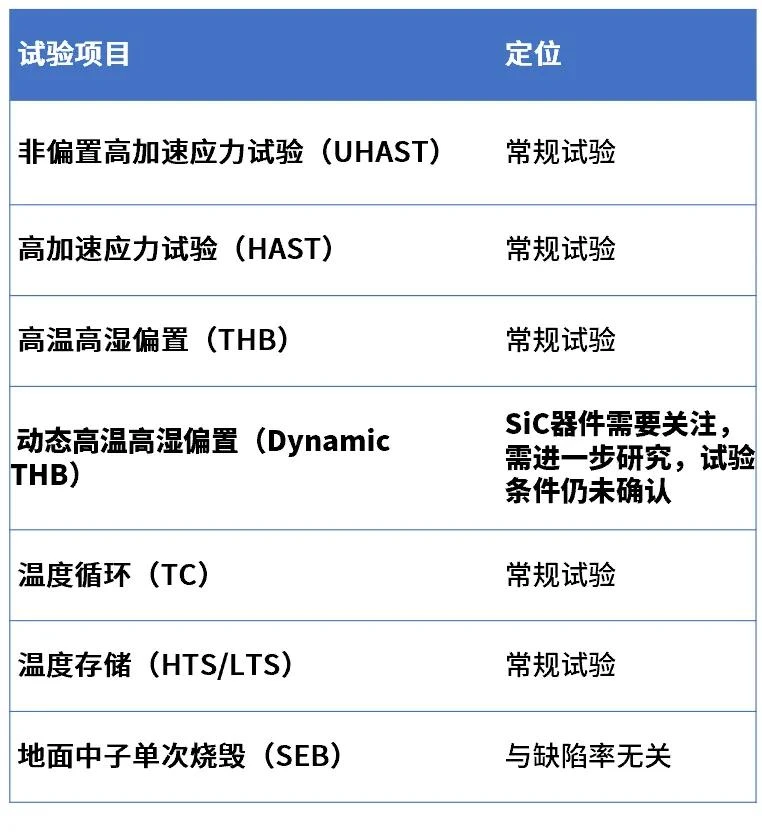
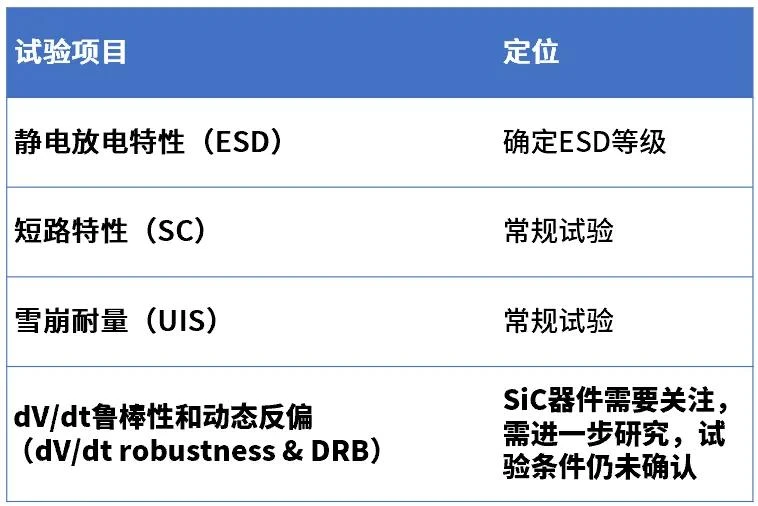
JEP204 categorizes stress testing of SiC power devices into five major types, covering the entire spectrum from chips to packaging. It systematically summarizes the failure mechanisms, stress conditions (e.g., temperature, humidity, power, frequency), and key considerations for each test. Additionally, it outlines SiC material properties, equipment requirements, monitoring parameters for specific tests, and end-of-test procedures.
Let's now review the test content summarized by JEP204:
Temperature/Bias-related stress testing; Environment-related stress testing;
Robustness
-
related
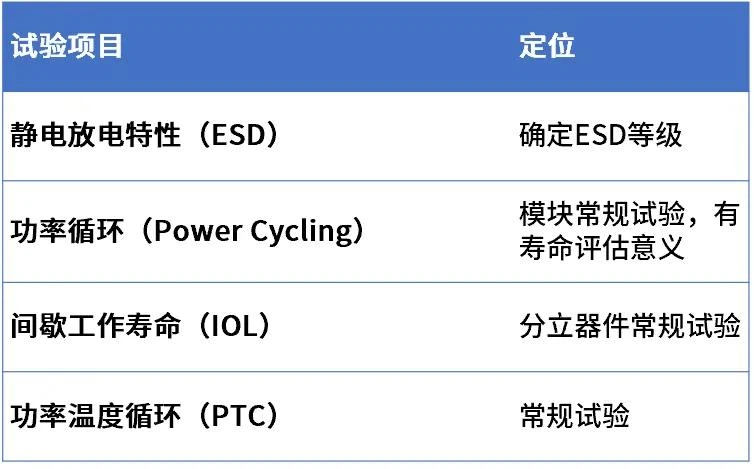
testing; Packaging-related stress testing