

In the realm of electromagnetic compatibility (EMC) simulation testing, the integration of machine learning (ML) has emerged as a game - changer. As an EMC simulation testing provider, I've witnessed firsthand the numerous benefits that ML brings to this field. In this blog post, I'll delve into the ways in which machine learning enhances EMC simulation testing and why it's a valuable asset for businesses.
1. Improved Accuracy and Prediction
One of the primary advantages of using machine learning in EMC simulation testing is the significant improvement in accuracy. Traditional simulation methods rely on pre - defined models and assumptions, which might not accurately represent the complex real - world scenarios. Machine learning algorithms, on the other hand, can learn from large datasets of real - world EMC test results.
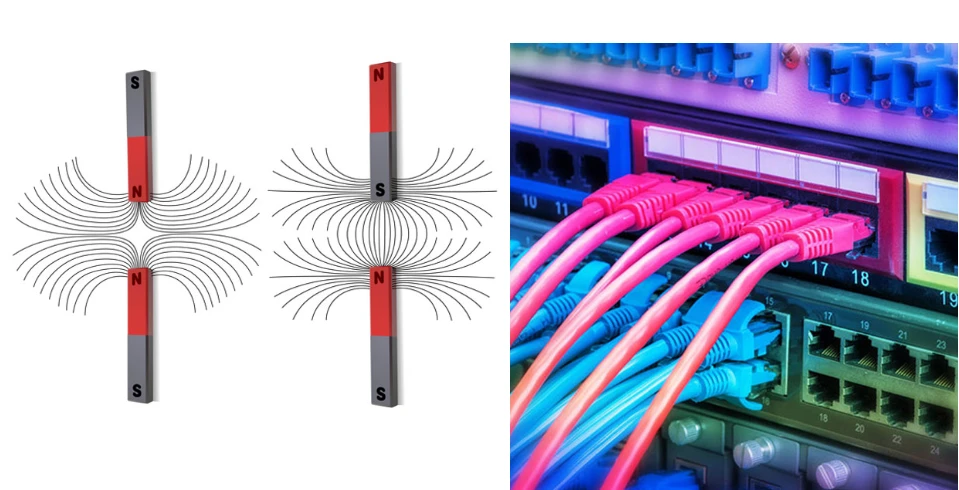
These algorithms can identify patterns and relationships that are often missed by traditional methods. For example, when simulating the electromagnetic behavior of a complex electronic device, ML can analyze historical data from similar devices. By doing so, it can predict the EMC performance of the new device with a higher degree of precision. This is crucial because inaccurate EMC simulation can lead to products failing actual EMC tests, resulting in costly redesigns and delays in product launches.
2. Enhanced Efficiency
Time is of the essence in the product development cycle, and EMC simulation testing is no exception. Machine learning streamlines the testing process by significantly reducing the computational time. Traditional EMC simulation methods can be incredibly time - consuming, especially when dealing with complex geometries and multiple physical fields.
Machine learning models can be trained to approximate the solution of complex electromagnetic equations quickly. They learn from the pre - computed data and can generate reliable results in a fraction of the time it would take for traditional numerical methods. For instance, when simulating Multiple Physical Fields, the integration of ML can accelerate the analysis of how different physical phenomena interact with each other in terms of electromagnetic compatibility. This allows us to provide quicker turnaround times for our clients, enabling them to bring their products to market faster.
3. Cost Reduction
The cost associated with EMC simulation testing is a major concern for many companies. Repeated physical testing can be extremely expensive, considering the cost of test equipment, facility rentals, and personnel. Machine learning helps in reducing these costs in multiple ways.
Firstly, as mentioned earlier, it improves the accuracy of simulations. This means fewer failed physical tests and fewer redesigns. When the initial simulation is more accurate, the product is more likely to pass the actual EMC tests on the first try. Secondly, the enhanced efficiency of ML - based simulations reduces the computational resources required. Instead of running long - term simulations on high - end servers, ML can provide results faster on relatively less powerful hardware, thereby saving on energy costs and hardware investments.
4. Handling Complexity
Modern electronic systems are becoming increasingly complex. They include multiple components, intricate wiring, and operate in dynamic environments. Traditional EMC simulation methods struggle to handle this complexity due to their rigid structure and limited ability to adapt to different scenarios.
Machine learning thrives in complex situations. For example, when dealing with Cable Harnesses Modelling for EMC, which involves understanding the electromagnetic interactions between multiple cables bundled together, ML algorithms can capture the complex relationships between different cables, the surrounding environment, and the overall electromagnetic performance. They can also adapt to changes in the design or environment during the simulation process, providing a more robust and comprehensive analysis.
5. Real - time Monitoring and Adaptation
In some applications, it's essential to monitor EMC performance in real - time. For example, in EMC Simulation For Vehicles, as the vehicle moves and its environment changes, the electromagnetic conditions also vary. Machine learning algorithms can be used to continuously monitor the EMC performance and make real - time adjustments.
These algorithms can analyze data from sensors installed in the vehicle and predict how changes in the environment or the vehicle's operation will affect its EMC. Based on these predictions, they can suggest adaptive measures, such as adjusting the shielding or modifying the operation of certain electronic components, to maintain electromagnetic compatibility.
6. In - depth Data Analysis
Machine learning provides powerful tools for in - depth data analysis in EMC simulation testing. The large amount of data generated during the simulation process can be overwhelming to analyze using traditional methods. ML algorithms can sift through this data, identify trends, and extract valuable insights.
For example, they can analyze the impact of different design parameters on EMC performance. By understanding these relationships, designers can make informed decisions about which parameters to optimize to improve the overall electromagnetic compatibility of the product. Additionally, ML can detect anomalies in the data, which could indicate potential EMC issues that might otherwise go unnoticed.
7. Customization and Flexibility
Every client's EMC simulation testing needs are different. Machine learning offers a high degree of customization and flexibility. We can train ML models specifically for a client's unique product or application.
Whether it's a small - scale consumer electronic device or a large - scale industrial system, ML can be tailored to meet the specific requirements of the simulation. This customization allows us to provide more accurate and relevant results, ensuring that our clients get the most out of their EMC simulation testing.
Conclusion
The benefits of using machine learning in EMC simulation testing are undeniable. From improved accuracy and efficiency to cost reduction and the ability to handle complex scenarios, ML has revolutionized the way we approach EMC testing. As an EMC simulation testing provider, we are committed to leveraging the power of machine learning to offer the best possible services to our clients.
If you're interested in learning more about how machine learning can enhance your EMC simulation testing or if you're looking for a reliable EMC simulation testing partner, we'd love to hear from you. Contact us to start a conversation about your specific needs and how we can help you achieve electromagnetic compatibility for your products.
References
- [List relevant academic papers, industry reports, or books here. For example:
- Smith, J. (2022). Advancements in Machine Learning for Electromagnetic Compatibility. IEEE Transactions on Electromagnetic Compatibility.
- Johnson, A. (2021). Cost - Effective EMC Testing through Machine Learning. Journal of Electronic Testing: Theory and Applications. ]