

Scope of Services
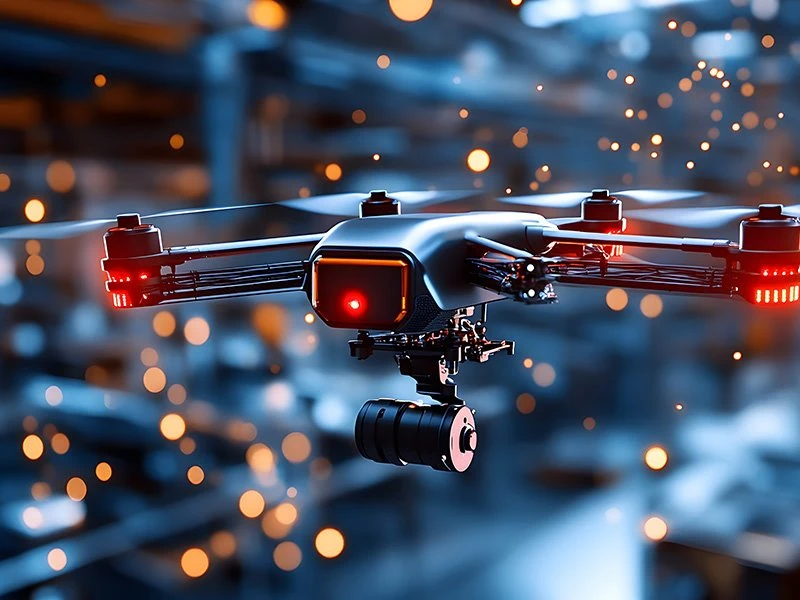
Batteries and power supplies for UAVs, eVTOL and other low-altitude aircraft
Testing Standards
RTCA DO 311A Minimum Operating Performance Standards for Rechargeable Lithium Batteries and Battery Systems
RTCA DO 227A Minimum Performance Standards for Non-Rechargeable Lithium Batteries
RTCA DO 160G Environmental Conditions and Test Procedures for Avionics Equipment
GB 42590-2023 Safety Requirements for Civil Unmanned Aerial Vehicle Systems
GB/T 38058-2019 Test Methods for Civil Multi-rotor Unmanned Aerial Vehicle Systems
GB/T 4208 Enclosure Protection Rating (IP Code)
Testing Items
Electrical Performance Testing
Rapid discharge during short-term operation at high temperatures, low operating temperature, constant voltage discharge of high-rate batteries, pulse charge/discharge, cycle life under operating conditions, charge acceptance, energy retention, etc.
Safety Performance Testing
Vibration, operational shock, crash test, drop test, thermal runaway containment, thermal abuse, short circuit, overcharge and over-discharge, compression, immersion.
Environmental Reliability Testing
High and low temperature storage, low air pressure, temperature shock/change, damp heat cycling, waterproof (IPX1-X9K), dustproof (sand, dust blown, sandstorm), gas corrosion, salt spray, chemical corrosion.
Relevant Certifications
CMA, CNAS Certifications
Testing Cycle
Depending on testing requirements
Service Background
Battery performance testing for low-altitude aircraft (such as drones, eVTOLs, etc.) is a core component in ensuring their safe, reliable, and efficient operation, verifying whether the battery can meet flight requirements. During application, aircraft require batteries to provide high-power energy in short periods (such as takeoff and climb) to ensure sufficient endurance. Furthermore, various abnormal mechanical and electrical stresses encountered during application may lead to battery fires, explosions, and leaks. As the energy source for aircraft, battery failure could result in crashes, collisions with buildings, or attacks on crowds. Due to the environmental sensitivity of battery chemical and physical properties, comprehensive testing can verify whether batteries can maintain safe, stable, and reliable performance under complex, variable, and even extreme environments. Extreme environments such as high-altitude low temperatures and ground-level high temperatures can significantly affect battery performance. By conducting performance tests on batteries under different environmental conditions, problems such as capacity decay and internal resistance surges can be detected in advance, and the battery's capacity, cycle life, and environmental tolerance can be verified. Conducting safety performance tests on low-altitude aircraft batteries throughout their entire life cycle can expose design flaws, optimize battery systems, verify and manage potential risks, ensuring safety for individual flights and guaranteeing large-scale commercial operation.
Hot Tags: low-altitude aircraft battery and power supply testing, China low-altitude aircraft battery and power supply testing service provider


